
The 2026 Marketing Reset: Why Your Humanity is Your Biggest Asset
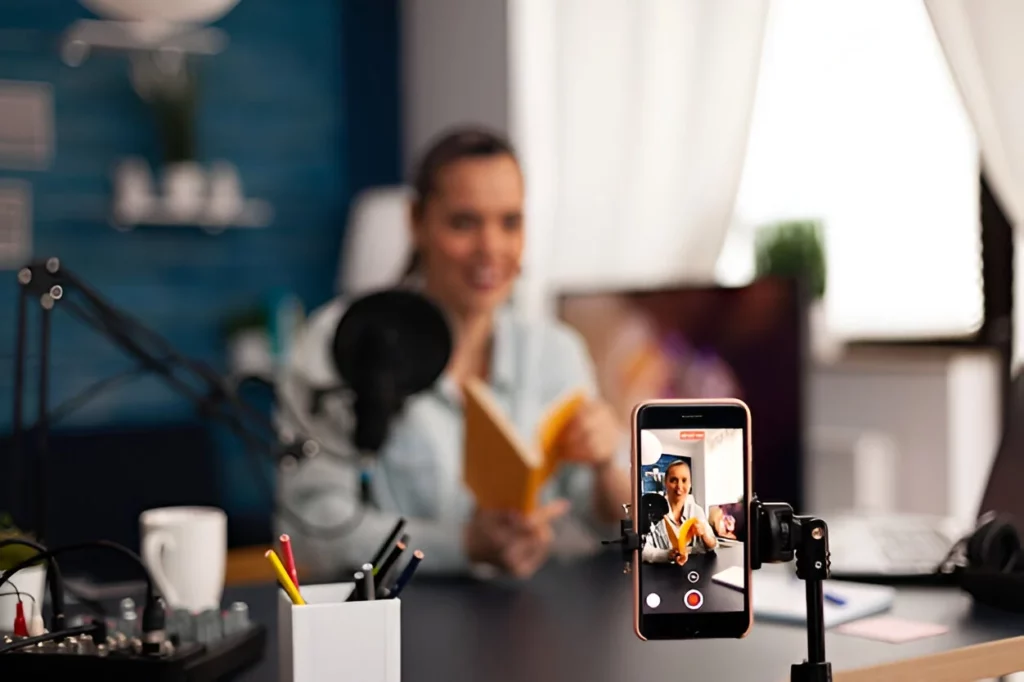
If the last few years have felt like a treadmill set to “ludicrous speed,” you’re not alone. Between the AI gold rush, algorithm whiplash, and the pressure to be everywhere at once, it’s been exhausting. Many of us started to wonder: Is there even a place for real people in marketing anymore?
Here’s the surprising, counterintuitive truth: There has never been a better time.
As we look toward 2026, a powerful correction is underway. The very forces that seemed to threaten human-centric marketing—AI saturation, digital mistrust, content overload—are now fueling its comeback. The skills that matter most are no longer just technical; they are profoundly human.
Forget just keeping up. It’s time to leverage what only you have. Here are the five pivotal shifts defining the marketing reset of 2026.
1. The Narrative Advantage: Storytelling as a Strategic Weapon
For a period, marketing optimization championed a formulaic approach: identify the hook, deliver the tips, prompt the click. Efficiency reigned. Then, generative AI mastered that formula, flooding every channel with competent, derivative, and ultimately hollow content.
The unintended consequence? Audiences can now spot fake content from a mile away.
This isn’t just about “telling stories.” It’s about wielding narrative as a strategic tool to:
- Build Intellectual Trust: Showing your work, your failures, and your unique perspective proves there’s a thinking human behind the brand.
- Create Emotional Encoding: Facts are forgotten; how a story made us feel is remembered. This is how brand loyalty is cemented.
- Differentiate in a Sea of Sameness: Your proprietary story is the one thing no AI can ever replicate.
The data validates this shift. LinkedIn is seeing a surge in demand for “storytellers” and “narrative designers.” Roles dedicated to crafting this human connection. The pendulum isn’t just swinging back; it’s swinging toward depth.
2. The End of Faceless Brands: The Rise of the Relatable Founder
The age of the impenetrable, corporate-brand fortress is over. Authenticity has moved from a buzzword to a business imperative. In an era of deepfakes and AI personas, people are conducting a simple, subconscious test: Is there a real, accountable human here?
This is the era of the “Proof of Humanity” strategy. It means:
- Prioritizing Relatability Over Polished Perfection: A shaky, heartfelt video can outperform a slick, generic ad. A thoughtful comment reply is worth more than a thousand automated likes.
- Embracing the Full Spectrum: Sharing not just wins, but also challenges, learnings, and even appropriate personal moments builds a multidimensional, trustworthy identity.
- Choosing Presence Over Perfection: Consistent, genuine visibility on a single platform trumps a fragmented, ghost-managed presence everywhere.
As reported by outlets like Forbes, purchase decisions are increasingly tied to this sense of personal connection and accountability. Your face, your voice, and your values are becoming your most valuable assets.
3. Trust Economics: Safety is the New Sexy
Marketing used to thrill seekers. The 2026 playbook is built for trust seekers. With economic uncertainty and digital skepticism at a high, the consumer’s primary question has changed from “What can this do for me?” to “Can I safely believe in this?”
Hype, scarcity, and hyperbolic promises are now trust eroders. What builds confidence is clarity, transparency, and demonstrable proof.
The 2026 Trust-Building Framework:
- Clarity Over Cleverness: Use plain language. Explain exactly how things work, who they’re for, and what realistic outcomes look like.
- Social Proof with Substance: Move beyond testimonials that say “Amazing!” Showcase case studies that detail the journey and how.
- Anticipate and Answer Objections: Address doubts head-on in your sales copy and content. Transparency about limitations builds immense credibility.
In this environment, your marketing’s primary job is to reduce perceived risk. The brand that makes the customer feel safe and informed wins.
4. The Dialogue-Driven Engine: From Broadcasting to Conversing
Algorithm changes across social platforms have made one thing brutally clear: platforms reward conversations, not monologues. Metrics like shares, saves, and comment threads now significantly outweigh passive views and likes.
This shifts the content creator’s mandate from “How do I get seen?” to “How do I get people talking?”
Practical applications for 2026:
- Prompt, Don’t Preach: End posts with a genuine question. Design content that invites sharing an opinion or experience.
- Value Community Management as Core Marketing: The time spent replying to DMs and comments is not a support cost; it’s a primary brand-building and content research activity.
- Create “Shareable Relatability”: Sometimes, content that best serves your goal is not a “lesson.” It’s a moment of collective recognition—a meme, an observation, a “Had a day, huh?” post—that your audience is eager to pass along with a “THIS!”
5. The Context Imperative: Why Beats What
In a world of infinite content, your audience’s attention is the ultimate scarce resource. You can’t compete on volume. The winning filter is context.
This means moving beyond just delivering information to framing it within a specific, relevant reality. It’s the difference between a generic tip and advice tailored for a specific situation, mindset, or challenge your audience is facing right now.
How to Master Context in 2026:
- Audience Empathy Over Keyword Density: Deeply understand the emotional and situational currents in your audience’s lives. What keeps them up at night this quarter?
- Timeliness is a Multiplier: Tie your message to current events, seasonal shifts, or industry moments to demonstrate relevance and acute awareness.
- Your “Why” is Your Hook: Don’t just share what you know; lead with why it matters now, and why it matters to you. This layers your content with credibility and connection.